Česky (CZK)
 Slovensky (EUR)
Why Choose a Real Silk Tie? Everything You Need to Know
A silk tie isn't just a neckwear choice — it's a statement about how seriously you take the way you present yourself. If you've ever wondered whether the extra investment is worth it, or how a real silk tie actually differs from a microfibre one, this guide gives you a straight answer. We'll walk you through how to choose one, how to wear it, how to care for it, and which occasions truly call for silk.
In this article you'll find: silk vs. microfibre explained, how and where to wear a silk tie, the most common mistakes men make, and how to care for silk so it lasts for years.
Silk vs. Microfibre: What Actually Changes?
Microfibre ties look the part in a product photo, but they rarely hold up in person. The surface reflects light too uniformly, the knot feels stiff, and after a year of regular use the fabric starts to pill or lose its shape. Silk behaves completely differently — it drapes naturally, the knot falls into place almost on its own, and the way it catches light has a depth that no synthetic can replicate.
Real silk is also more breathable, which matters more than most people expect. Wearing a tie all day in a suit during a summer wedding or a long board meeting is a different experience when the fabric works with your body rather than against it. Silk regulates temperature naturally — it keeps you cooler in warm rooms and doesn't feel clammy.
At Quentino, all our silk neckties are handmade in the Czech Republic from 100% pure silk. Each tie is cut on the bias — meaning diagonally to the weave — which is what gives it that characteristic gentle spring-back after you untie it. That's the detail most machine-made ties skip.
How to Wear a Silk Tie — and Where It Works Best
Silk ties work across a wider range of occasions than most men realise. The key is matching the pattern and colour to the context, not just the formality level.
At work
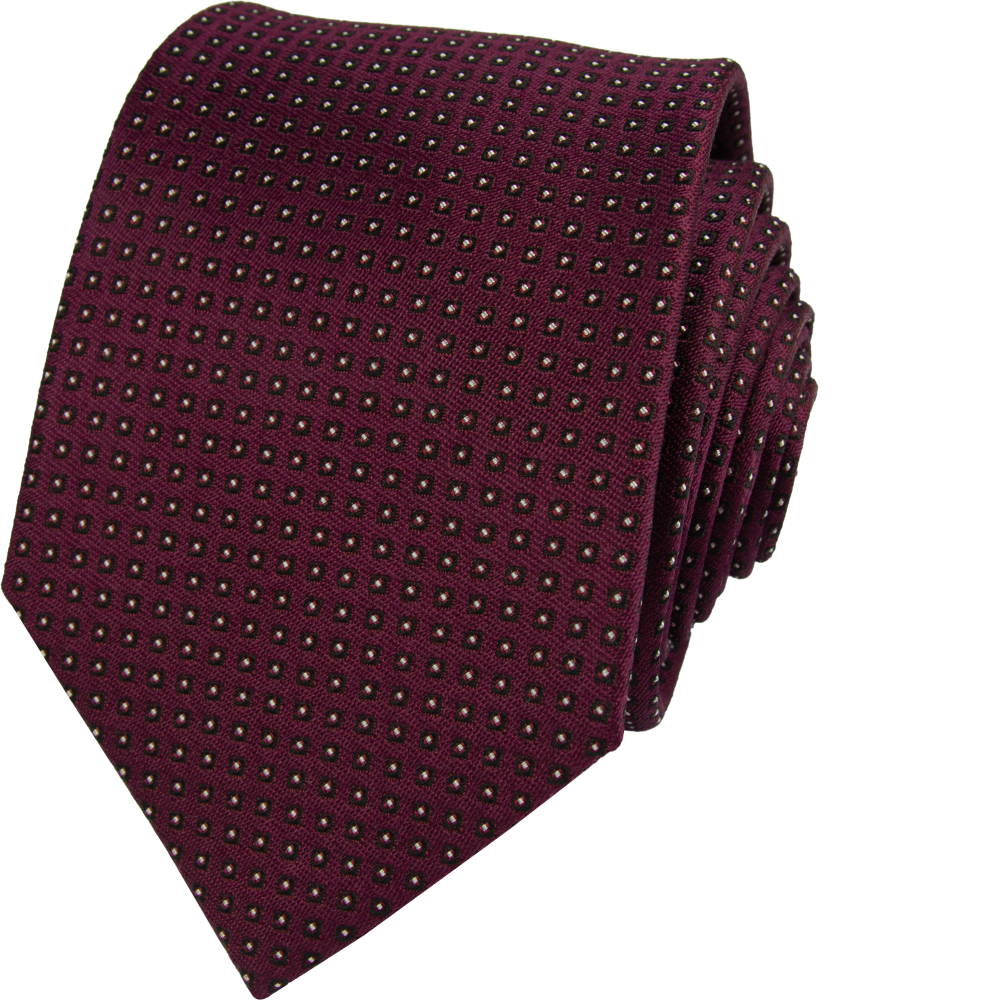
A silk tie with a fine geometric or tonal pattern is perfectly appropriate in a business environment. A burgundy silk tie with a subtle geometric pattern over a white or light blue shirt with a navy suit is a combination that reads as confident and polished without being overdressed.
At a wedding
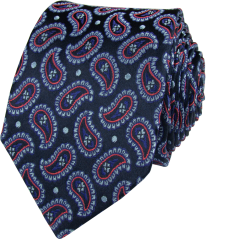
For a wedding — whether as a groom, best man, or guest — silk is the right call. A dark navy silk tie with a paisley pattern pairs beautifully with a charcoal or navy suit, and works just as well at an outdoor summer ceremony as it does in a historic interior in the evening.

For a more relaxed occasion
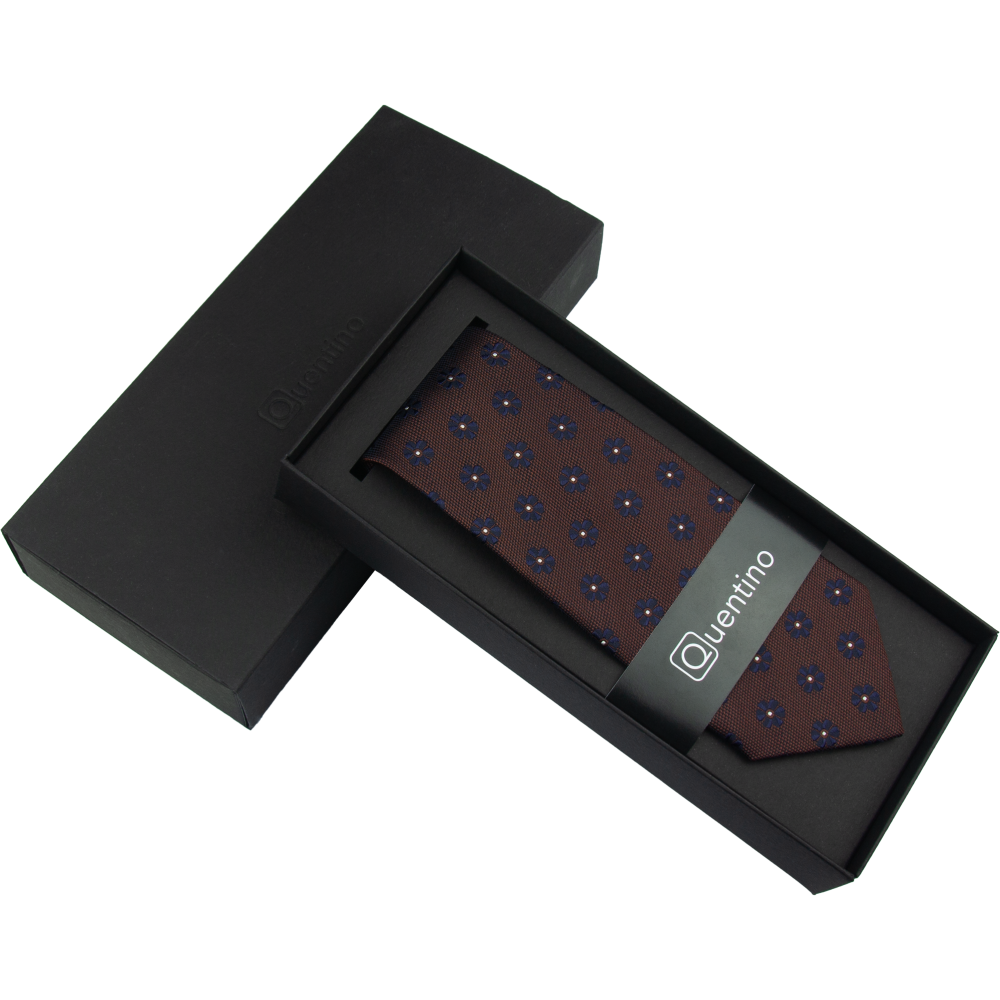
A silk tie doesn't always require a full suit. Worn with a well-fitted blazer and dark trousers, a brown silk tie with a floral pattern adds personality without overdoing it. This combination works well for an autumn dinner, a theatre evening, or a semi-formal garden party.
How to Pick the Right Silk Tie for You
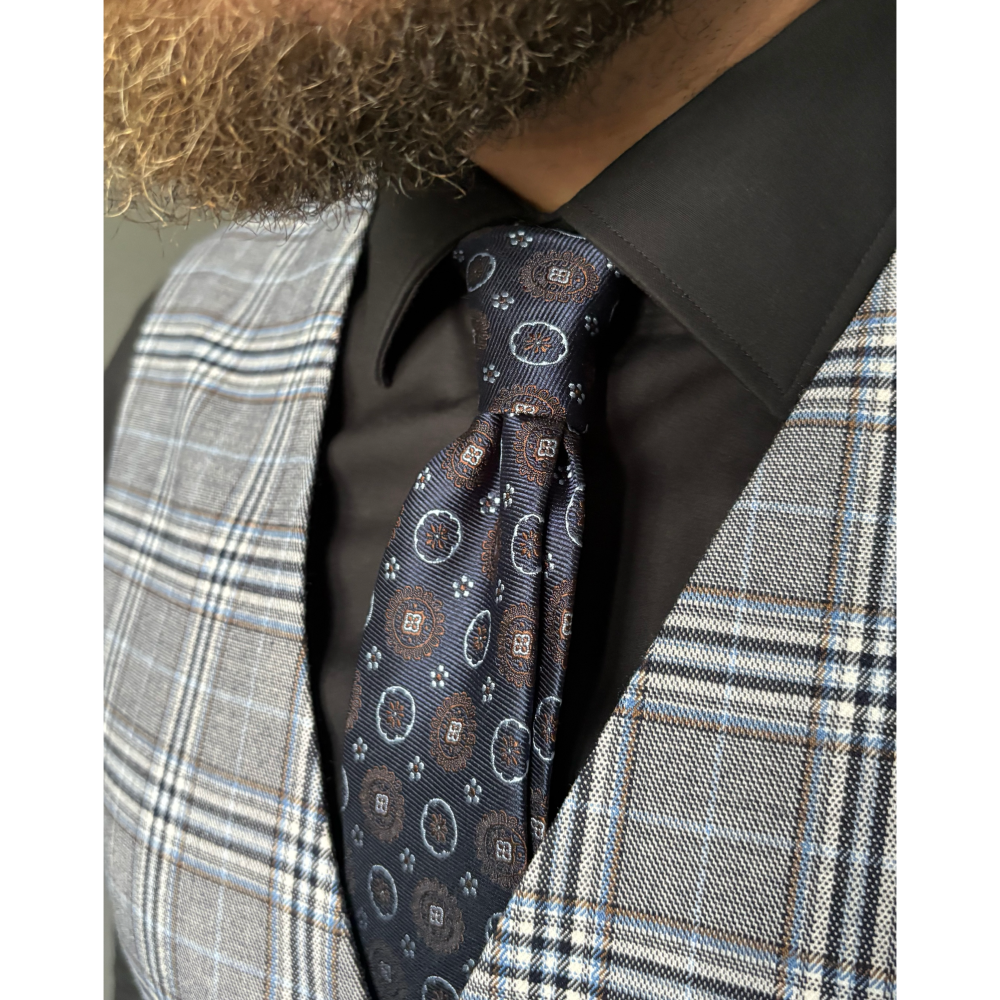
Start with the occasion, then the suit, then the shirt — and choose the tie last. The tie is the accent, not the foundation. For a dark navy or charcoal suit, both bold patterns and quieter tonal options work. A dark blue silk tie with a brown pattern is a particularly versatile choice — it bridges formal and smart-casual with ease, and the two-tone contrast photographs very well.
If you're buying your first silk tie and want one that covers the most ground, go for a classic dark navy or burgundy in a subtle pattern. These two colours work with virtually every suit colour — grey, navy, dark brown, even olive — and they read as professional without being dull. Avoid novelty patterns for a first purchase; they narrow your options significantly.
The Most Common Silk Tie Mistakes
1. Being afraid of pattern
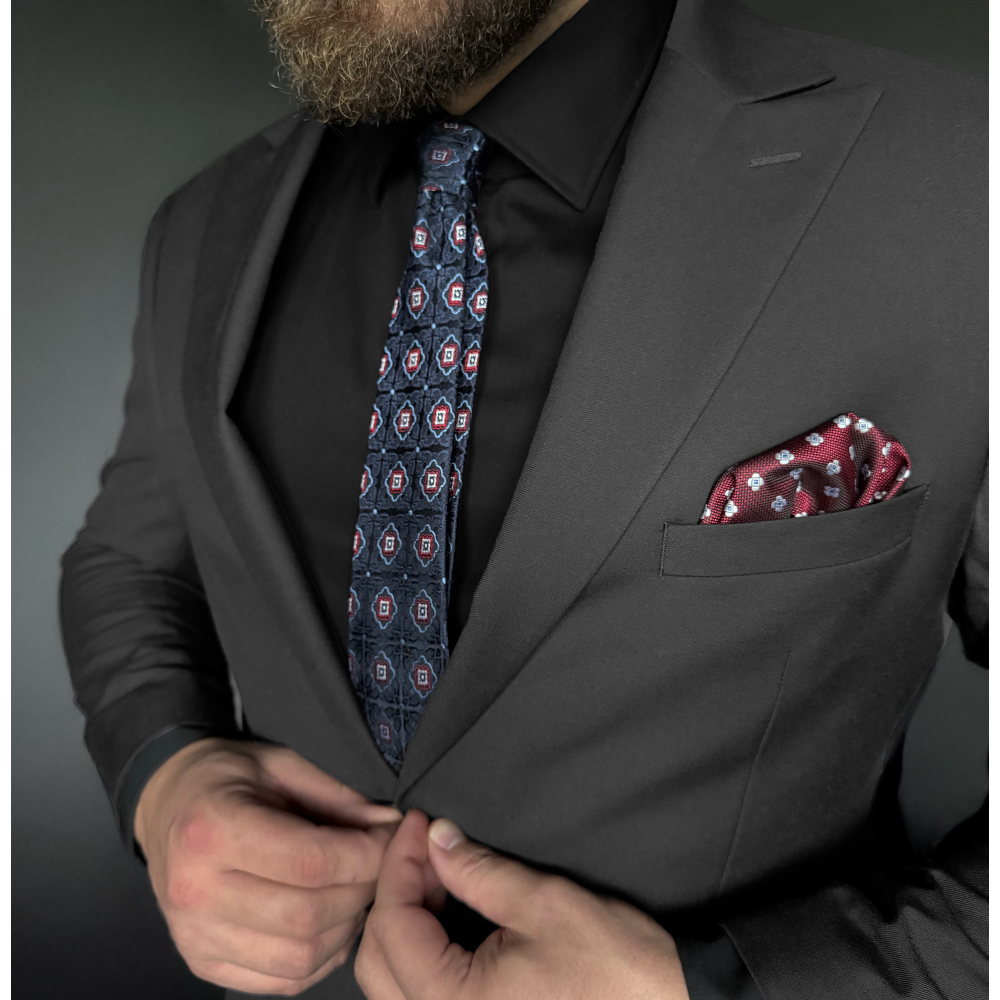
Many men default to a plain solid tie because they're unsure about pattern. The result is often flat and forgettable. A tie with a refined pattern — paisley, small florals, or a textured jacquard weave — adds the kind of depth that makes an outfit memorable. The dark navy silk tie with woven applications is a perfect example: the pattern is visible up close, but reads as textured rather than loud from a distance.
2. Leaving the tie knotted when storing it
This is the fastest way to permanently crease a silk tie. Always untie it fully after wearing, then roll it loosely from the wide end and rest it flat in a drawer or hang it on a proper tie rack. Never leave it folded or compressed — silk has memory, and a set crease in the wrong place is very difficult to remove.
3. Matching too closely
Wearing a tie in exactly the same shade as your shirt or pocket square flattens the whole look. Instead, aim for contrast or complementary colour — a dark navy tie against a pale blue shirt works because the contrast gives the outfit structure. Identical tones blur together, especially in photos.
How to Care for a Silk Tie — and How Long It Will Last
A well-cared-for silk tie from a quality maker can last ten to fifteen years without losing its shape or lustre. The key is simple: don't wash it, don't iron it directly, and don't store it knotted. If the tie gets a small stain, blot it immediately with a clean, dry cloth — never rub. For a fresh crease or a light wrinkle, hang the tie in a steamy bathroom for a few minutes; the moisture relaxes the fibres without direct heat.
Dry cleaning is an option for significant stains, but use it sparingly. Repeated dry cleaning slowly strips the natural oils from silk fibres, which affects the drape over time. Spot treatment and gentle airing will handle most situations without needing professional cleaning.
Frequently Asked Questions
Is a silk tie suitable for everyday office wear?
Yes, absolutely. A silk tie with a conservative pattern — fine stripes, small geometric shapes, or a tonal jacquard — is perfectly appropriate for daily business wear. The misconception that silk is only for formal occasions probably comes from novelty or heavily patterned designs, which are better saved for events. A classic dark navy or burgundy silk tie in a quiet pattern is one of the most office-appropriate accessories you can wear.
How do I know if a tie is real silk or synthetic?
The simplest test is feel and weight. Real silk has a soft, slightly cool hand feel and a natural drape — it moves fluidly. Microfibre tends to feel slightly slick and lighter in a way that doesn't quite settle the same way. The care label should confirm "100% silk." On Quentino ties, the material is clearly stated because we think that matters — both for the customer and for the craft.
What suit colour works best with a silk tie?
Navy and charcoal suits give you the most flexibility. A dark navy suit with a burgundy or brown-patterned silk tie is a combination we recommend often — it's classic, works across seasons, and photographs well. Lighter grey suits pair beautifully with burgundy or deep teal silk. Brown suits are underrated — a dark navy silk tie with a warm-toned pattern, like our blue and brown option, is a very strong pairing that not many men try.
Can I wash a silk tie at home?
We don't recommend it. Machine washing — even on a delicate cycle — risks shrinking the interlining, distorting the shape, and damaging the weave. For minor stains, blot and air. For anything more serious, take it to a dry cleaner who works with delicate fabrics. If you treat a silk tie well, you rarely need to clean it at all.
Which knot should I use with a silk tie?
The Four-in-Hand is the most natural choice for silk — it creates a slightly asymmetric, slim knot that suits the fluid drape of the fabric. The Half Windsor works well if you prefer a more structured, symmetrical look. Avoid the Full Windsor with lightweight silk; it creates a bulky knot that strains the fabric at the fold and can permanently damage the tie over time.
Ready to find your silk tie? Browse the full Quentino collection — handmade in the Czech Republic, crafted to last.
Browse Silk NecktiesWith care and craft, from Prague to your wardrobe
David, Petra & Tobi
Recommended products12
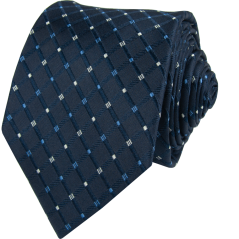
Tmavě modrá pánská hedvábná kravata s jemným geometrickým vzorem
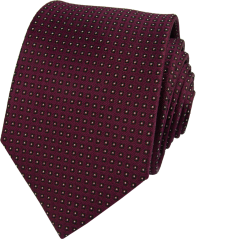
Bordó pánská hedvábná kravata s jemným geometrickým vzorem
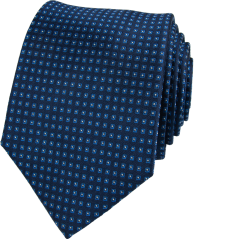
Tmavě modrá pánská hedvábná kravata s modrým geometrickým vzorem
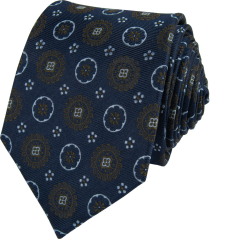

Tmavě modrá pánská hedvábná kravata s hnědým vzorem
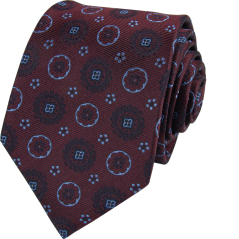
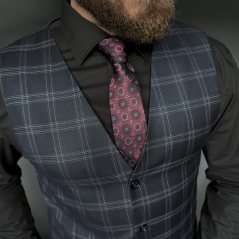
Bordó pánská hedvábná kravata s modrým vzorem
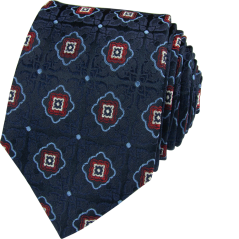
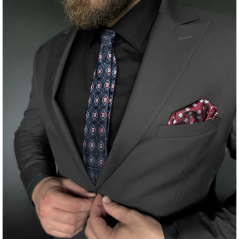
Tmavě modrá pánská hedvábná kravata s aplikacemi


Vínově červená pánská hedvábná kravata s aplikacemi
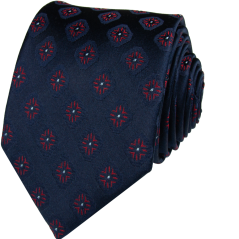
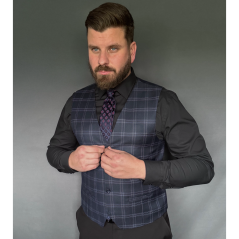
Tmavě modrá pánská hedvábná kravata s vínovým vzorem
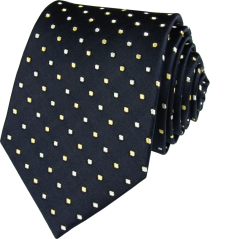
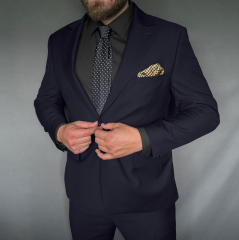
Tmavě modrá pánská hedvábná kravata s puntíky
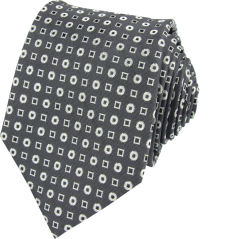
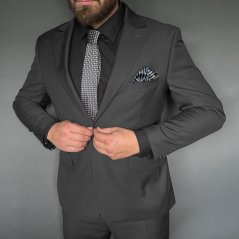
Tmavě šedá pánská hedvábná kravata se vzorem
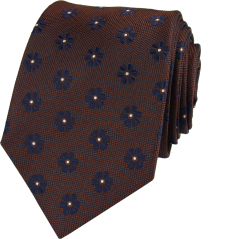
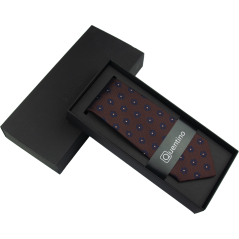
Hnědá pánská hedvábná kravata s květy