

 Česky (CZK)
 Slovensky (EUR)
How to Choose a Tie for a Job Interview (and Actually Get It Right)
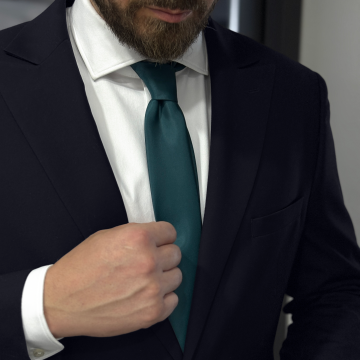
The short answer: go with a solid navy or deep teal tie, keep the knot clean, and make sure it reaches your belt buckle. That combination works in almost any interview setting — from a bank to a creative agency. But the longer answer is worth reading, because the right tie can genuinely help you make a better impression, and the wrong one can undermine an otherwise strong outfit.
In this guide, you'll find out exactly which colours work best, when patterns are safe to wear, how to dress for different types of interviews, and the most common mistakes men make when picking a tie for a job interview.
The Best Tie Colours for a Job Interview
Colour is the first thing the interviewer registers — before the fabric, before the knot, before anything else. The goal is to project confidence and reliability without drawing too much attention to the tie itself. These are the colours that consistently work.
Navy Blue — the safest, strongest choice
A dark navy tie with a grey or charcoal suit is practically interview armour. It reads as serious, trustworthy and polished — which is exactly what most hiring managers want to see. It works in corporate environments, law firms, finance, and any traditional office setting.
Teal and Petrol — confident without being loud
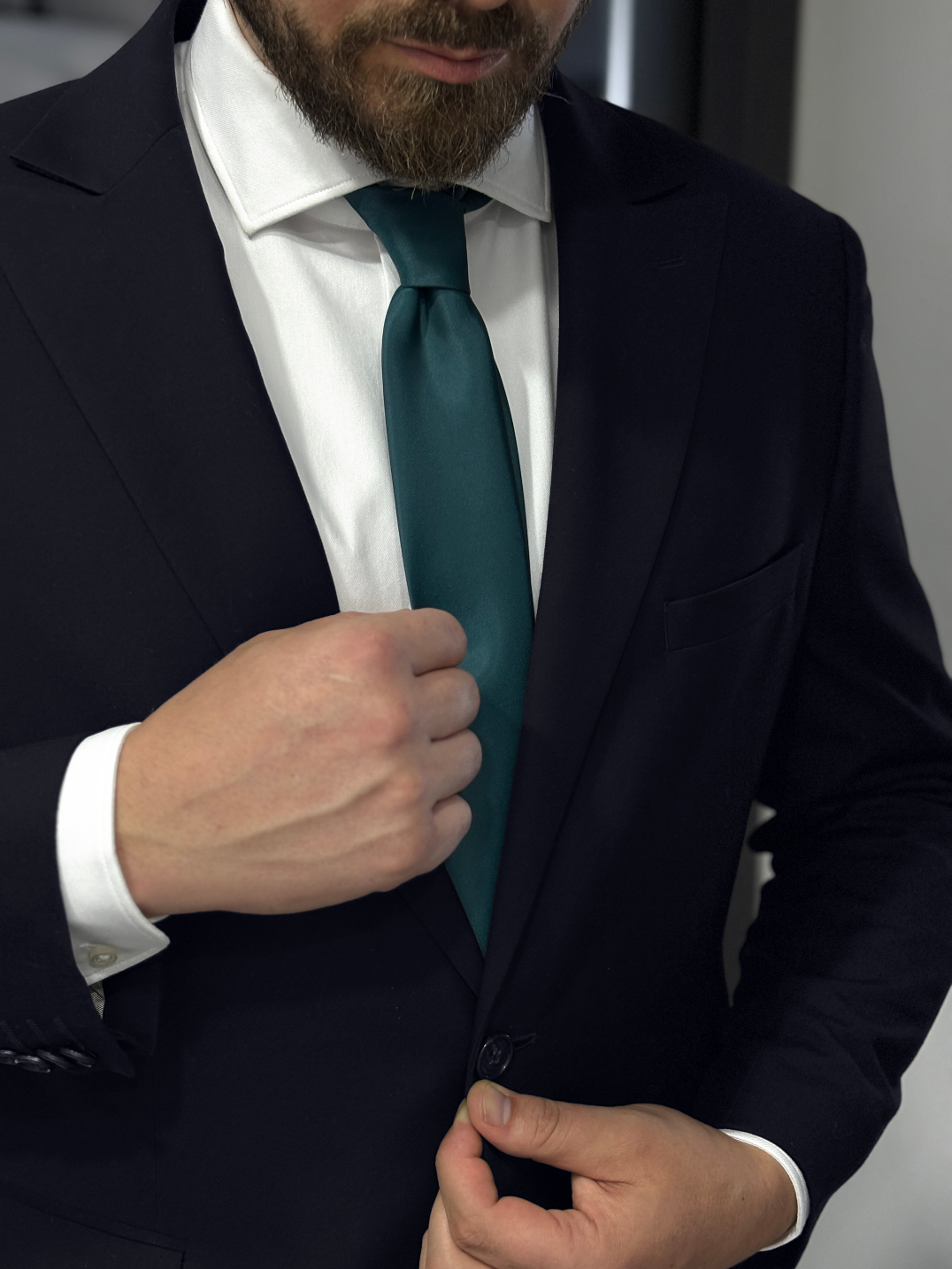
If you want to stand out slightly without taking a risk, a petrol tie or a dark teal tie is an excellent option. These colours sit between blue and green — they're distinctive but controlled. Pair them with a navy or dark grey suit and a white shirt. This combination works particularly well in interviews at marketing agencies, tech companies, or design-led businesses where a little personality is welcome.
Burgundy and Bordeaux — authority and maturity
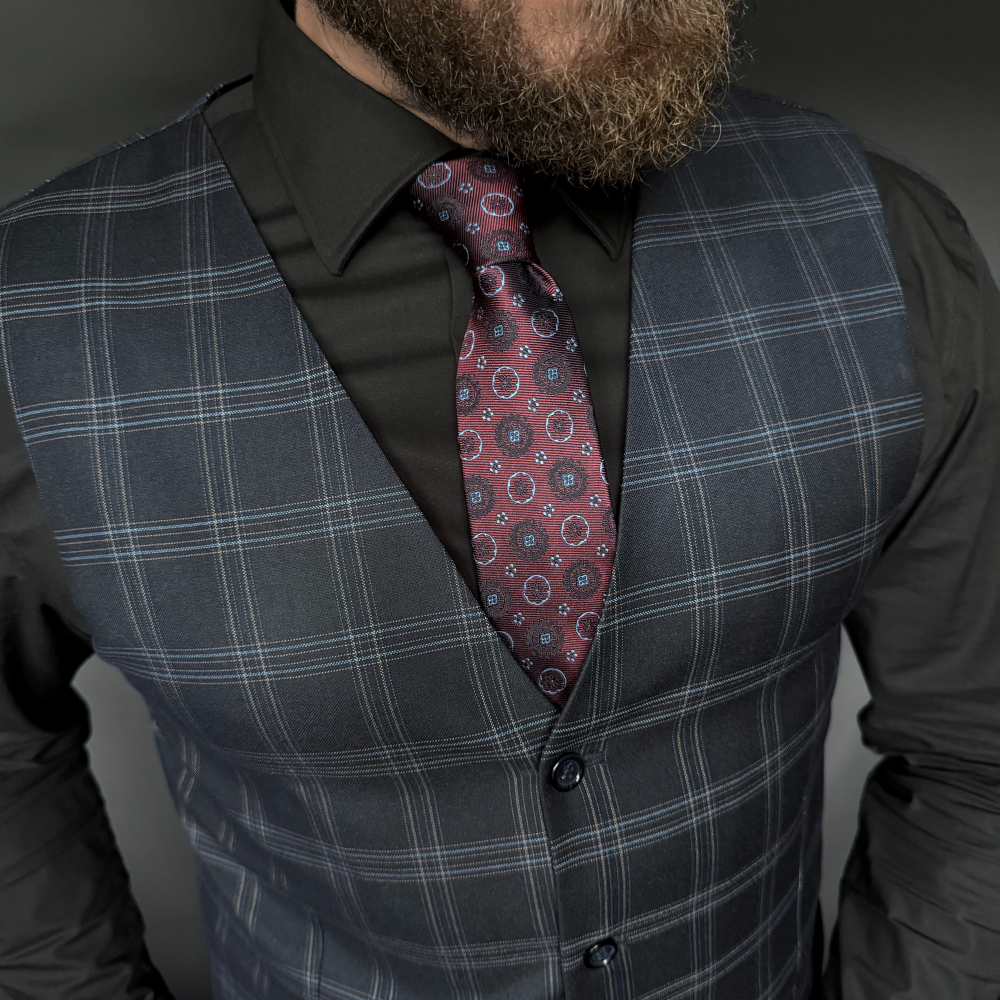
A deep burgundy or bordeaux tie communicates gravitas. It's the classic power-dressing choice alongside a charcoal or dark navy suit. This works well for senior-level positions or industries like law, consulting, and finance. A bordeaux silk tie with a subtle blue pattern hits the sweet spot — it's rich but not overwhelming.
What about red?
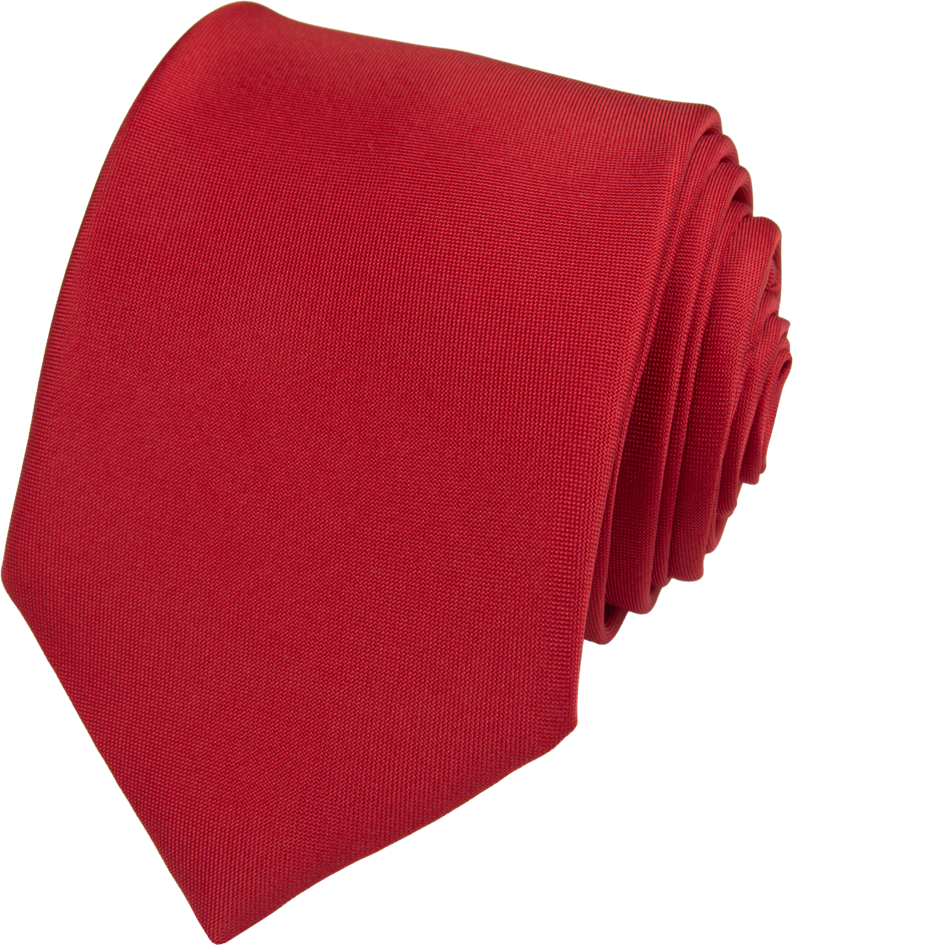
A red tie is bold and high-energy — it signals confidence and ambition. In the right context (sales, leadership roles, presentations), it absolutely works. With a dark navy suit and a white or light blue shirt, red reads as decisive rather than aggressive. The key is to keep everything else understated — no patterns, no pocket square competing for attention.
When Patterns Are Safe — and When They're Not
A patterned tie can absolutely work in an interview — the question is how subtle the pattern is and what it's paired with. If your suit has a pinstripe or your shirt has a check, stick to a solid tie. If you're wearing a plain suit and a plain white shirt, a light geometric or micro-pattern adds some texture without any risk.
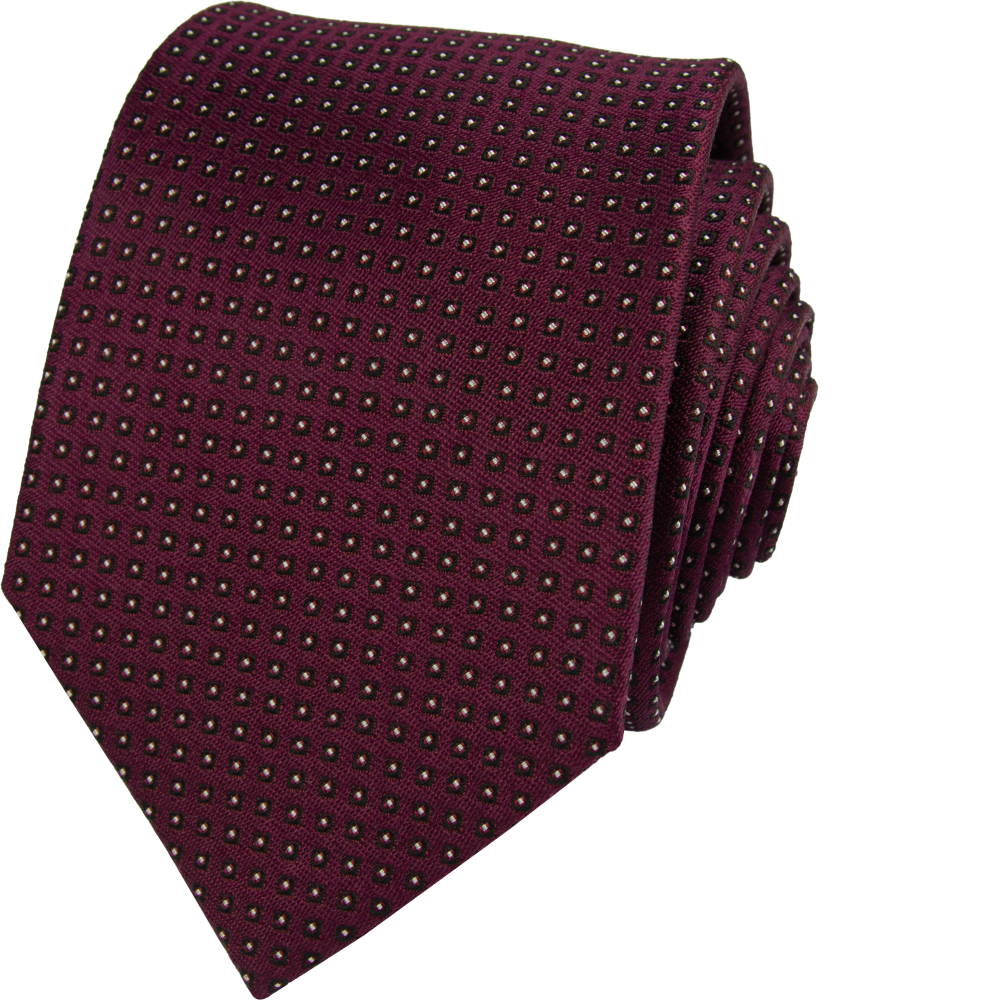
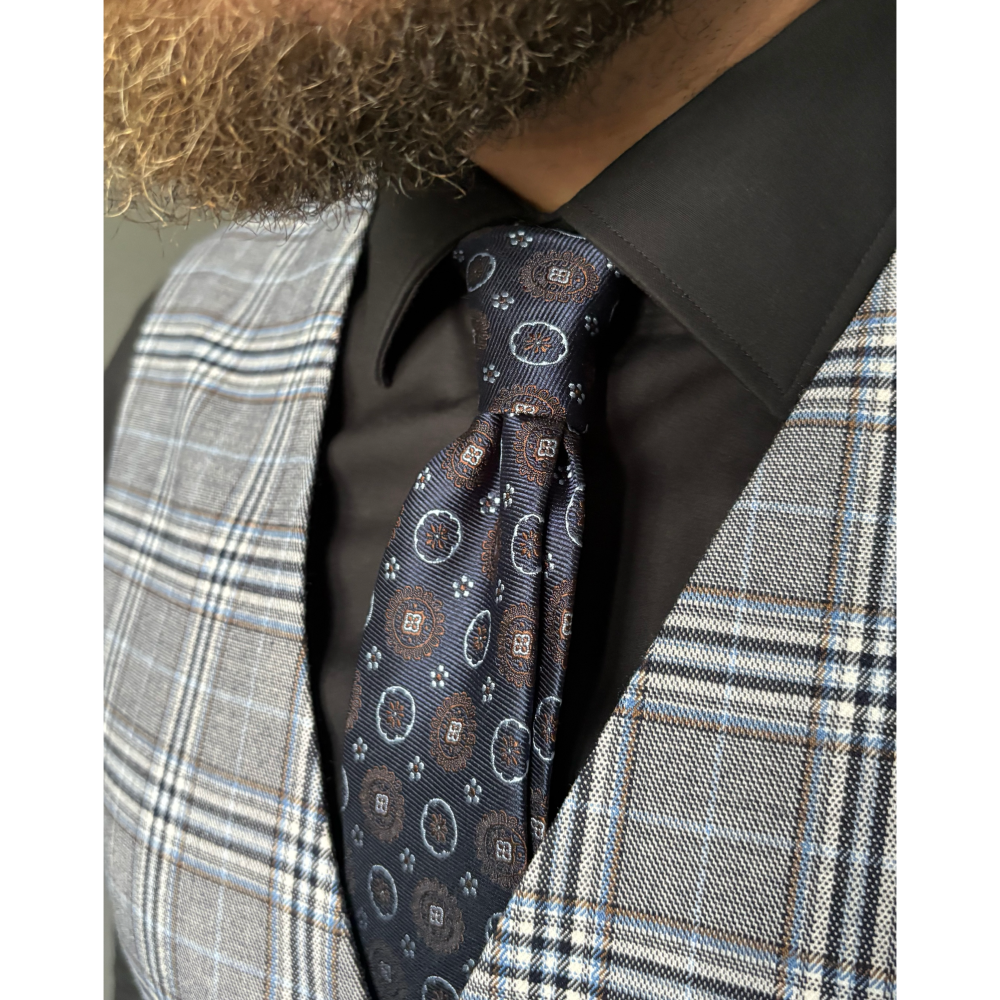
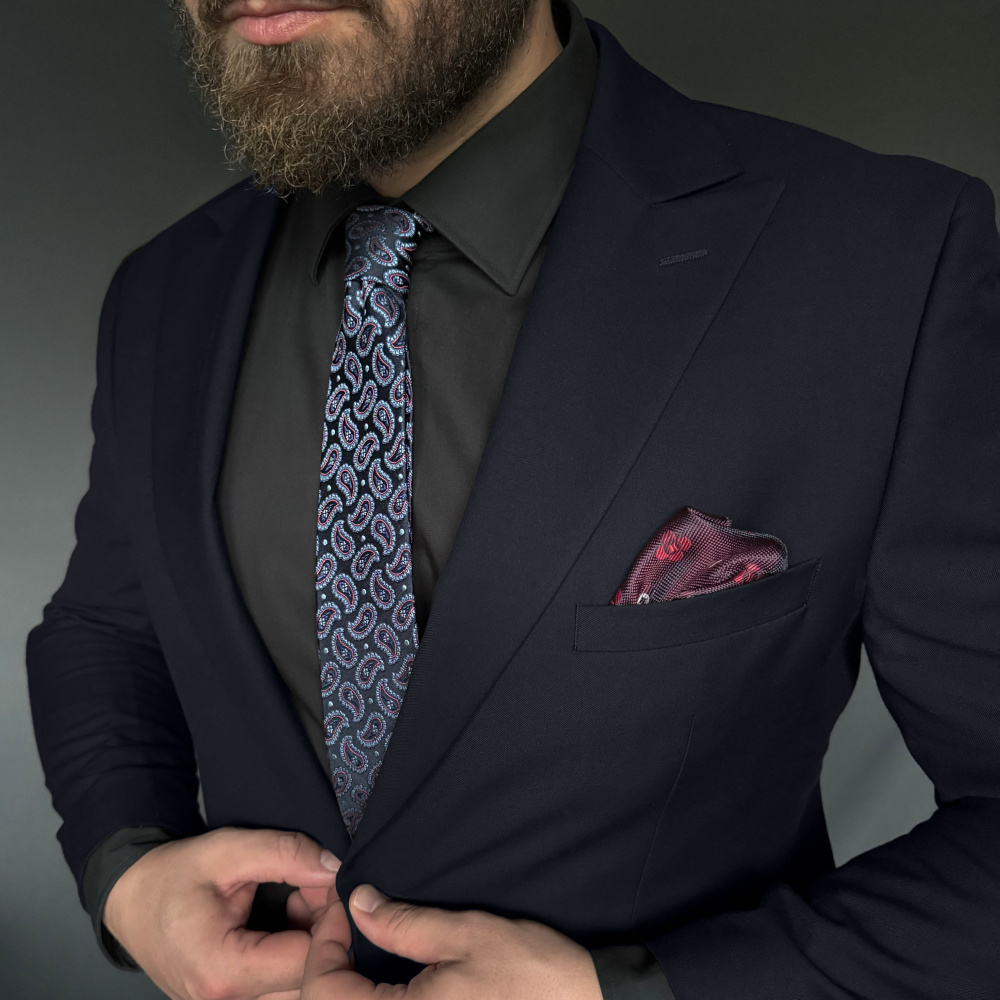
A bordeaux tie with a fine geometric pattern or a dark navy silk tie with a brown pattern both work well in this scenario — they read as polished rather than playful. A paisley tie is another story: it's a bold choice that can work in a creative or fashion-adjacent role, but it's riskier in a traditional corporate interview.
What to Wear Based on the Type of Interview
Corporate or finance role
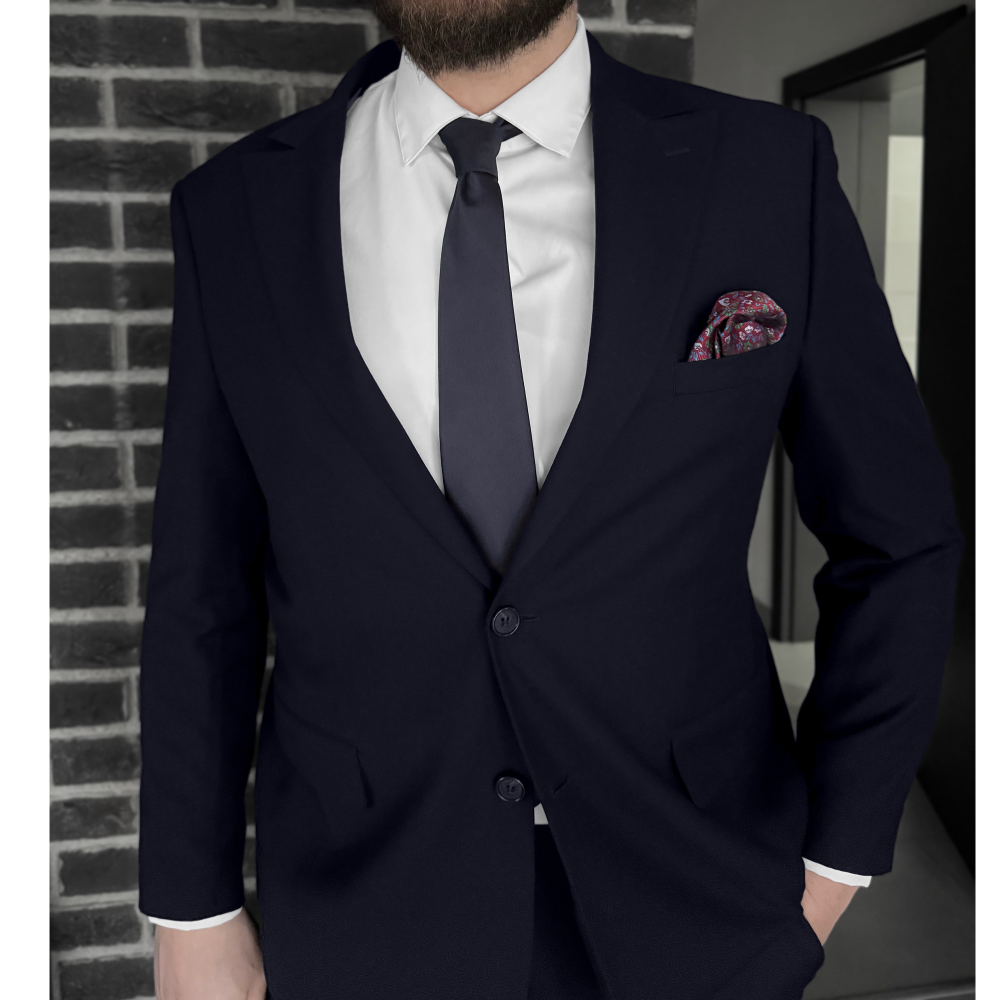
Dark navy suit, white shirt, dark navy or burgundy tie. This is the baseline — it signals that you understand the environment. Add a subtle pocket square if you want, but keep it white or light grey. A navy silk paisley tie can work here if the suit is plain and the shirt is white — it shows taste without being distracting.
Tech, creative or startup environment
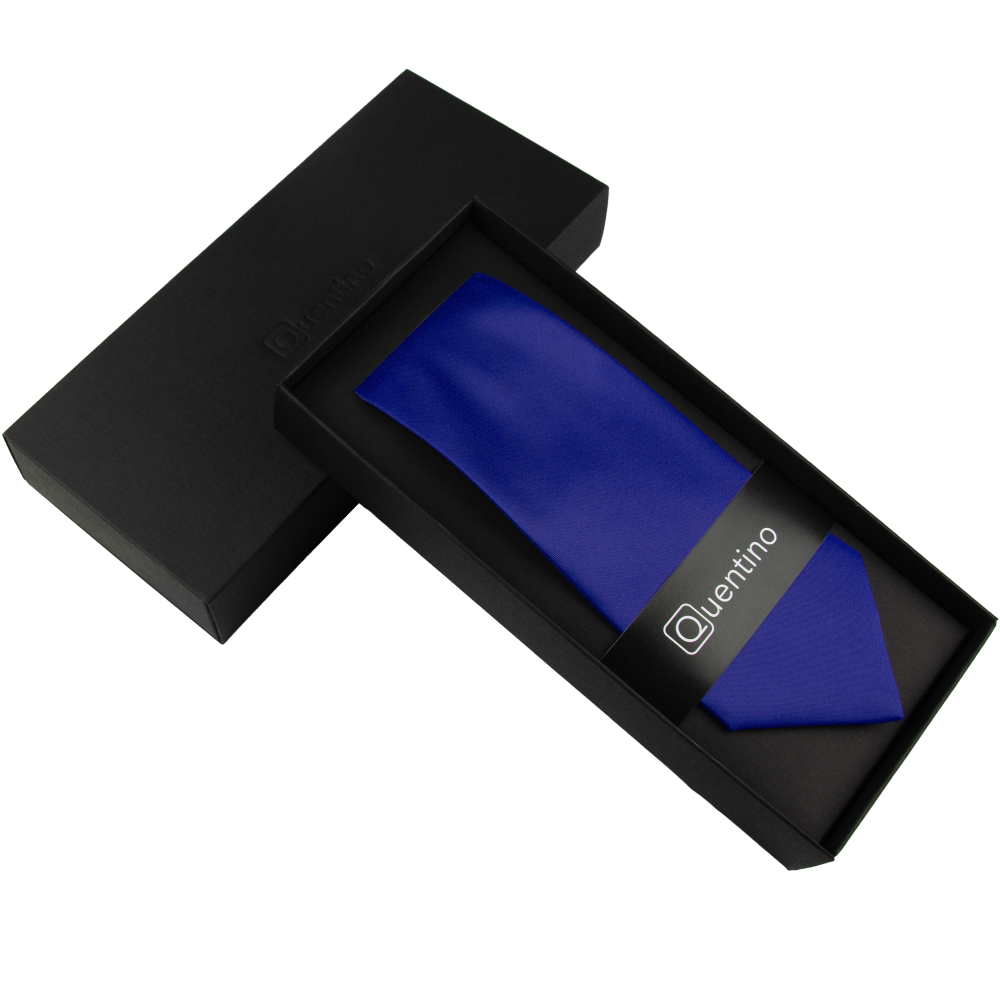
Here you have more room to move. A royal blue tie with a mid-grey or dark suit and a white or pale blue shirt is a strong, modern choice. It reads as intentional rather than conformist. If the dress code is business casual, wearing a tie at all already sets you apart — keep it simple and confident.
Senior leadership or board-level interview
At this level, the details matter even more. A charcoal suit, white shirt, and a deep bordeaux or navy tie with a clean half-Windsor knot projects exactly the kind of quiet confidence these interviews call for. Skip anything too trendy or eye-catching — authority comes from restraint.
The Most Common Tie Mistakes in Job Interviews
1. The tie is too short or too long. The tip of the tie should touch your belt buckle — not sit above it, not hang below it. This is the single most visible fit issue and it's immediately noticeable. If your tie is too short, the knot will look oddly large. Too long, and the whole outfit looks sloppy.
2. Choosing a light tie with a light shirt and light suit. If all three elements are pale — say, a light grey suit, white shirt, and silver tie — everything blends together and you lose visual definition. The tie should create some contrast. A navy or teal tie against a white shirt and a light suit works much better than trying to match everything to a similar tone.
3. Avoiding colour altogether out of caution. Many men default to grey or beige ties because they seem safe, but they often just look flat and unintentional. The safest option isn't the most colourless one — it's a deep, saturated colour like navy or petrol that reads as considered and confident. Don't be afraid of colour; be smart about it.
4. Mixing a busy tie with a busy shirt. A patterned tie on a checked or striped shirt is a risky combination in any setting, and especially in an interview where you want the focus on you, not your outfit. If your shirt has a pattern, the tie should be solid. Full stop.
5. A knot that doesn't suit the collar. A four-in-hand knot is slim and slightly asymmetric — perfect for spread collars. A half-Windsor is fuller and more symmetrical — better for wider collar spreads. Wearing a large knot on a narrow collar, or a tiny knot that floats inside a wide collar, shows a lack of attention to detail. Match the knot to the collar.
Frequently Asked Questions
What colour tie is best for a job interview?
Navy blue is the most universally safe and effective choice — it reads as confident, trustworthy and professional in virtually any industry. If you want something slightly more distinctive, a deep petrol or teal is a strong alternative. Burgundy works well for senior roles. Avoid overly pale or washed-out tones — they tend to disappear against light shirts.
Should I wear a patterned tie to a job interview?
Yes, but keep the pattern subtle. A fine geometric or micro-pattern on a solid-coloured base (navy, bordeaux, dark teal) is perfectly appropriate when paired with a plain shirt and a plain suit. Avoid large patterns, novelty prints, or anything with high contrast between the pattern and base colour. The rule we use: if the pattern is visible from across a room, it's too loud for an interview.
What tie should I wear with a navy suit to a job interview?
With a navy suit, you have several strong options. A deep petrol or teal tie creates an elegant tonal combination that stands out without clashing. A burgundy tie offers excellent contrast and a classic power-dressing feel. A lighter royal blue tie can work with a white shirt for a slightly more modern look. What to avoid: a tie that's exactly the same shade as your suit — it blends in and loses all impact.
Is it better to wear a silk tie or a regular tie to an interview?
Silk is the better choice for a formal interview. It drapes more naturally, holds its knot well throughout the day, and has a refined sheen that reads as quality without being showy. A matte silk or a lightly textured silk weave is ideal — it's luxurious but doesn't compete with the rest of your outfit. Polyester ties tend to look flat and can feel slightly cheap up close.
Can I wear a red tie to a job interview?
Yes — in the right context. Red works well for roles that value confidence and assertiveness, such as sales, business development or leadership positions. Pair it with a dark navy suit and a plain white shirt, and keep everything else clean and minimal. A red tie in a conservative setting (law firm, bank) can feel slightly aggressive, so read the room first. If you're unsure, burgundy gives you a similar energy with more subtlety.
Looking for the right tie before your interview? Browse our full collection of handmade Czech neckties — solid colours, subtle patterns, silk and more. All made to last.
Browse All NecktiesMade with care in the Czech Republic since 2013
David, Petra & Tobi